
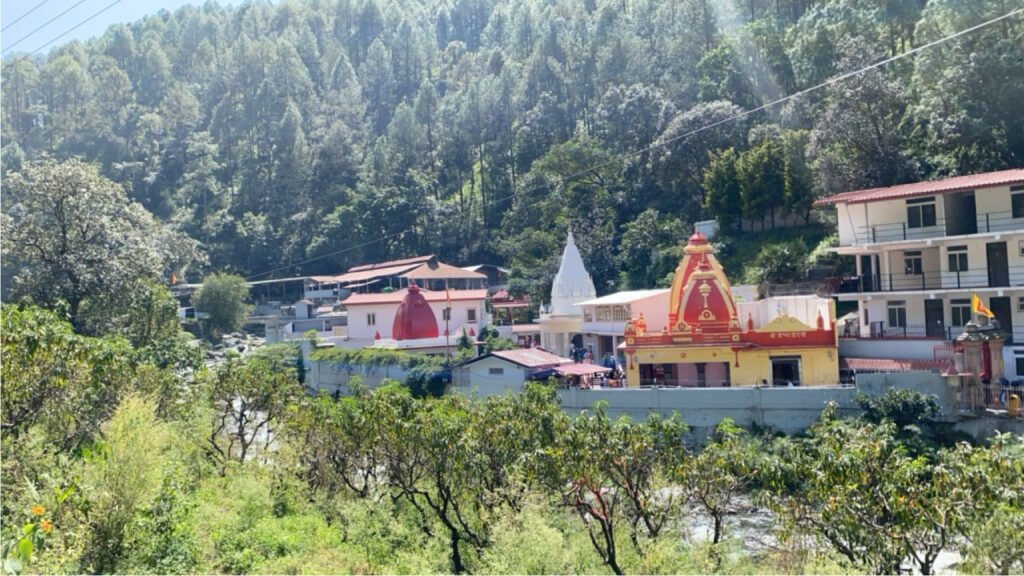
Have you ever felt the pull to visit Kainchi Dham but didn’t know where to start?
Many people hear about the Neem Karoli Baba temple at Kainchi Dham through stories – a friend who found peace there, a book that mentioned Maharaj-ji, or a quiet inner nudge that says, “You should go.” And yet, when it comes to planning the visit, confusion quickly sets in. When should you go? Where do you stay? How crowded does it get? Can you manage it in a day?
This guide is written for exactly that moment. It is practical, clear, and grounded in real visitor experiences. Whether you are a solo traveller, a family on pilgrimage, or a small group planning a spiritual break, this step-by-step guide will help you visit Kainchi Dham with clarity and confidence.
What is Kainchi Dham and why is it spiritually significant?
Kainchi Dham is a spiritual ashram and temple complex located in the Kumaon hills of Uttarakhand. It was established in the 1960s by Neem Karoli Baba, also known as Maharaj-ji, a Hindu saint revered for his teachings on devotion, service, and unconditional love.
The name “Kainchi” comes from the Hindi word for scissors, referring to the sharp hairpin bends of the road near the ashram. Over time, the place itself has come to symbolise the “cutting away” of ego and mental noise, according to many devotees.
What makes the Neem Karoli Baba temple at Kainchi Dham unique is its quiet simplicity. There are no grand sermons or elaborate rituals imposed on visitors. Instead, people come to sit, observe, pray, or simply be still. This understated atmosphere is one reason the ashram attracts such a wide range of visitors, from villagers and saints to entrepreneurs, professionals, and international spiritual seekers.
Today, Kainchi Dham is one of the most visited spiritual places in Uttarakhand, receiving thousands of devotees daily during peak seasons.
Step 1: Understand what kind of visit you want to make
Before you think about travel or accommodation, take a moment to understand your intention. Kainchi Dham is not a tourist attraction in the usual sense; it is a living spiritual centre. How you plan your visit depends on what you are seeking.
Most visitors fall into three broad categories:
Same-day darshan visitors
These travellers come early in the morning, have darshan, attend or observe aarti if possible, and return to Nainital, Bhowali, or Kathgodam the same day.
Overnight spiritual visitors
These visitors prefer to stay nearby, attend morning or evening prayers, and spend quiet time in reflection.
Extended spiritual travellers
Often visiting other spiritual places in Uttarakhand, they include Kainchi Dham as one stop in a longer journey.
Knowing which category you fall into helps you avoid the most common pain point: rushing through the visit without mental or physical space to absorb it.
Step 2: Choose the best time to visit Kainchi Dham
Timing is everything at Kainchi Dham. The experience can feel profoundly peaceful or extremely crowded, depending on when you go.
March to June: the most popular period
This is considered the best time to visit Kainchi Dham in terms of weather. Days are pleasant, mornings are cool, and the surrounding hills are green and clear. However, it is also the busiest season.
Mid-June deserves special mention because of the 15 June Bhandara, which commemorates the ashram’s foundation day. On this single day, footfall can rise dramatically, with tens of thousands of devotees arriving. Spiritually powerful, yes, but logistically demanding.
July to August: monsoon months
The hills are lush and quiet, but rain can make roads unpredictable. If you are comfortable with slower travel and flexible plans, this can be a surprisingly peaceful time.
September to November: balanced and calm
This period offers the best balance. The monsoon has cleared, crowds are thinner than summer, and the weather is stable. Many experienced travellers consider this the ideal window.
December to February: winter stillness
Cold mornings, fewer visitors, and a quieter atmosphere define winter. For those who value silence and solitude, this can be deeply rewarding, provided you are prepared for low temperatures.
Step 3: How to reach Kainchi Dham Neem Karoli Baba temple
Kainchi Dham is located on the Nainital–Almora road, making it accessible but not directly connected by major transport hubs.
- By train
Kathgodam railway station is the nearest railhead. It is well connected to Delhi and other major cities. From Kathgodam, shared taxis and private cabs are easily available.
- By road
Most visitors travel by road. Buses and taxis operate regularly from Haldwani, Kathgodam, Nainital, and Bhowali. The last stretch of the road is scenic but narrow, so allow extra time during peak hours.
- By air
Pantnagar airport is the closest airport, though flight frequency is limited. From there, road travel is required.
A practical tip many first-time visitors overlook: aim to reach Kainchi Dham early in the morning. Not only is traffic lighter, but the spiritual atmosphere is noticeably calmer.
Step 4: Know the temple timings and daily rhythm
The Neem Karoli Baba temple generally opens early in the morning and closes in the evening. While timings may vary slightly on special days, most visitors plan around:
- Morning opening around 6:00 am
- Evening closure between 6:00 and 7:00 pm
Morning hours are quieter and more reflective. Late morning to afternoon tends to be the most crowded, especially during tourist season.
Darshan is free. There is no ticketing system, but patience is essential. On busy days, queues are long, and movement is slow. Understanding this beforehand helps manage expectations.
Step 5: Accommodation options near Kainchi Dham
Accommodation is one of the biggest challenges visitors face, especially during peak season.
Dharamshala in Kainchi Dham
The ashram itself has very limited accommodation, typically reserved for long-term devotees or volunteers. For most travellers, staying inside the ashram is not a realistic option.
Kainchi Dham guest house and nearby stays
Several small guest houses, homestays, and lodges operate near the temple. These are simple, clean, and focused on spiritual travellers rather than luxury tourists.
Many visitors choose to stay in:
- Bhowali (closest town with reliable facilities)
- Nainital (more options, about 30 minutes away)
Booking in advance is strongly recommended. A common mistake is assuming rooms will be available on arrival, which often leads to unnecessary stress.
Step 6: Dress, behaviour, and unspoken etiquette
Kainchi Dham follows a quiet, respectful culture. There are no written rules everywhere, but certain expectations are understood.
- Dress modestly and comfortably
- Avoid loud conversations and phone calls inside the temple area
- Follow instructions from volunteers and local staff
- Be patient with other devotees
Many visitors report that the experience becomes more meaningful when they slow down and observe rather than rush.
Step 7: Managing crowds and common pain points
Crowd management is the single biggest operational challenge at Kainchi Dham. Studies and local observations show that dissatisfaction among visitors usually stems from three issues: parking, waiting time, and lack of information.
- Practical ways to reduce stress include:
- Visiting on weekdays instead of weekends
- Arriving before 8:00 am
- Parking slightly away and walking
- Avoiding peak festival days unless spiritually prepared
- Small adjustments like these often transform the experience.
Step 8: Combine your visit with nearby spiritual and nature spots
If time allows, many visitors combine Kainchi Dham with nearby locations such as:
- Nainital for reflection by the lake
- Bhimtal and Sattal for quieter nature experiences
- Mukteshwar for panoramic views and meditation
This approach works especially well for travellers who want a deeper, slower spiritual journey rather than a single rushed stop.
Why planning matters, especially for busy travellers and small groups
A growing number of visitors to Kainchi Dham are working professionals, small business owners, and families with limited time off. Their biggest pain point is not devotion, but logistics.
When travel, accommodation, and timing are unclear, the mental load increases and the spiritual purpose gets diluted. A well-planned visit removes friction and allows you to be fully present.
Wrapping up
Visiting the Neem Karoli Baba temple at Kainchi Dham is not about ticking off a destination. It is about creating the conditions for stillness, reflection, and connection. When the practical details are taken care of, the place speaks for itself.
This is where resources like Spiritual Places Guide become valuable. Instead of scattered information and guesswork, having a structured, experience-based guide helps travellers plan mindfully, respect local culture, and focus on the spiritual essence rather than logistics.
Whether Kainchi Dham is your first spiritual journey or one of many, thoughtful planning transforms the visit from a crowded stop into a meaningful milestone.